
By Oluwabunmi Ogunjimi
The United Nations Development Programme (UNDP) has projected that deeper implementation of the African Continental Free Trade Area (AfCFTA) could generate $571 billion in additional revenue and create 18 million new job opportunities across Africa.

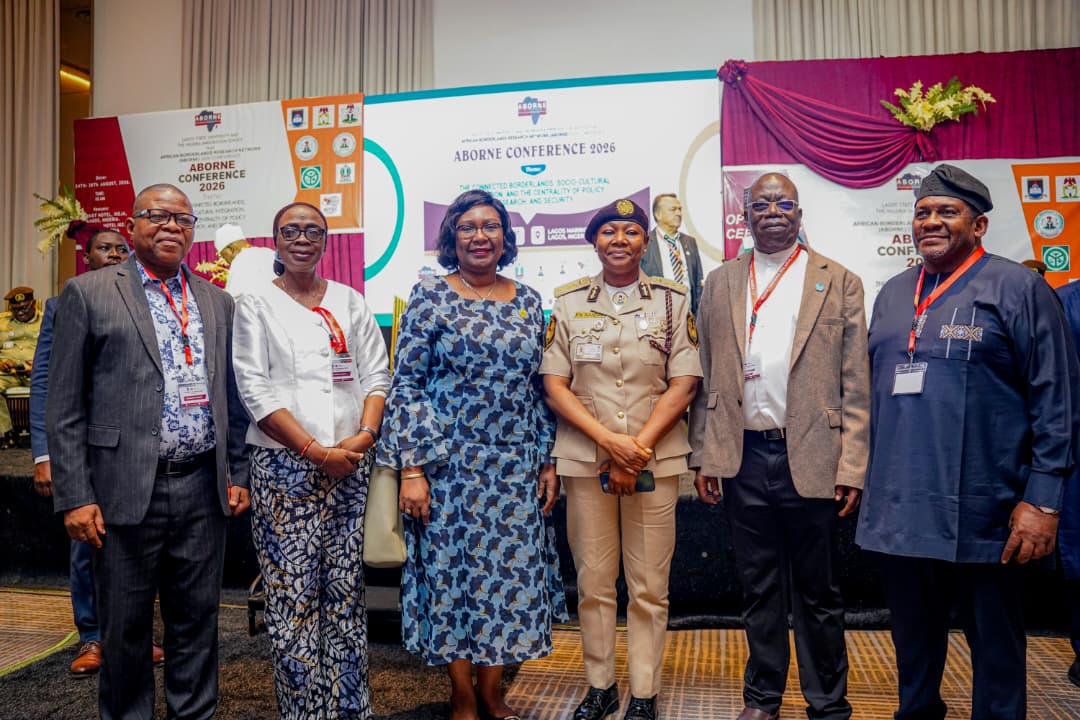
Speaking at the ongoing African Borderlands Research Network (ABORNE) Annual Conference in Lagos, Director of the UNDP Resilience Hub for Africa, Dr. Zeynu Ummer, said the collaboration between the United Nations Development Programme (UNDP) and ABORNE would help bridge critical gaps that have continued to hinder the development of borderlands.
Ummer identified the gaps to include inadequate attention to borderlands, which has kept them peripheral to national development agendas; policy and evidence gaps that leave decision-makers without sufficient granular data; as well as infrastructure and investment deficits.
Ummer explained that the gap between Africa’s current level of integration and its full potential is not merely an abstract continental challenge, but one that is felt directly in border communities where markets fail to connect effectively.
He said:”Through our collaboration with ABORNE, I believe we begun to narrow three important gaps. Perhaps the most important lesson from our years of work is that developing the borderlands alone is not enough. We can strengthen a border market, we can support pastoralists, traders and local enterprises.
“We can improve water infrastructure, reinforce peace mechanisms and strengthen local institutions. These interventions matter enormously. But their transformative potential will remain constrained if the borderland itself remains disconnected from the larger system around it.
“We are increasingly looking at borderlands as part of wider frontier economies and using economic corridors to connect what has historically been peripheral to the centres of productive and economic activity.
“Today, intra-Africa export account for only 17.8 percent of Africa’s total exports while Africa itself accounts for only three percent of world exports. Yet, the AfCFTA creates more than 1.3Billion people. World Bank analysis suggests that deeper implementation – extending beyond tariffs to investment, competition and other enabling reforms – could increase regional incomes by as much as $571Billion and generate almost 18million additional jobs by 2035.
“Corridors allow us to connect production to processing, enterprises to finance, small and medium-sized businesses to larger markets, border municipalities to economic centres and landlocked and peripheral economies to ports and international trade.
“They create the possibility for services, logistics, digital platforms, energy, finance and investment to develop around the movement of goods and people rather than treating the border crossing itself as the end point of development.”


